1. Introduction
The Quadriceps FAQ serves as a comprehensive guide for anyone aiming to understand and strengthen one of the body’s most critical muscle groups — the quadriceps. Located at the front of the thigh, these muscles are essential for walking, running, squatting, and stabilizing the knee. Whether you’re an athlete, a physiotherapist, or someone recovering from an injury, this FAQ provides expert insights on anatomy, function, training, and rehabilitation.
The quadriceps — often simply called “the quads” — are the engines behind lower-body power. Understanding how they work and how to care for them can dramatically improve athletic performance, mobility, and injury prevention.
2. Anatomy and Function of Quadriceps FAQ
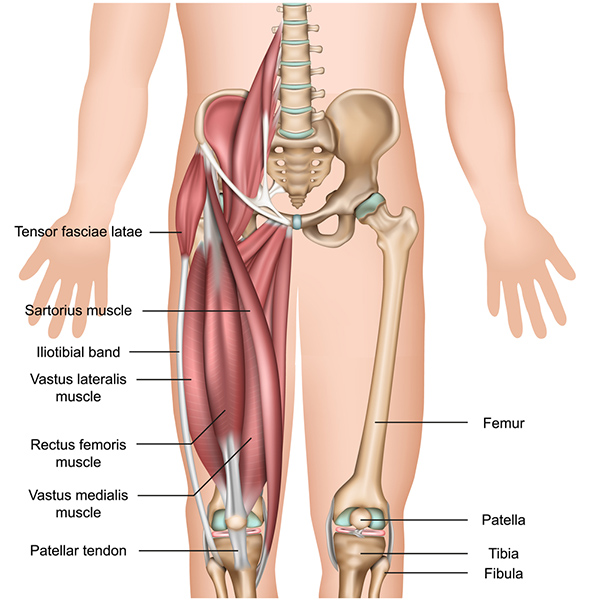
The Quadriceps FAQ begins with anatomy — four major muscles forming this group:
-
Rectus femoris: runs from the hip to the knee, responsible for both hip flexion and knee extension.
-
Vastus lateralis: the largest muscle, on the outer thigh, crucial for stability and strength.
-
Vastus medialis: located near the inner thigh, vital for knee alignment.
-
Vastus intermedius: lies beneath the rectus femoris, aiding in extending the knee.
Collectively, these muscles converge at the quadriceps tendon, attaching to the patella (kneecap), and then connect to the tibial tuberosity through the patellar ligament. This structure allows efficient knee extension—a movement controlled by signals from the femoral nerve.

3. Main Muscles and Structure
In this section of the Quadriceps FAQ, it’s essential to grasp how each component interacts. The quadriceps are responsible for extending the knee joint, stabilizing the patella, and maintaining upright posture. During movement, these muscles operate in coordination with the hamstrings, glutes, and calves.
The rectus femoris is unique because it crosses two joints — hip and knee — allowing it to flex the hip and extend the knee simultaneously. The vastus medialis oblique (VMO) is particularly important for maintaining knee tracking, reducing strain on the joint, and preventing conditions like patellofemoral pain syndrome.
4. Importance in Movement and Strength
According to this Quadriceps FAQ, the quadriceps play a pivotal role in both basic and advanced movement patterns. From standing up from a chair to explosive sprinting, their activation provides balance, stability, and drive.
In sports and daily life, strong quadriceps are fundamental for:
-
Efficient walking and running mechanics
-
Improved jumping and landing performance
-
Enhanced knee joint stability
-
Reduced risk of falls and injuries
Neglecting these thigh muscles can lead to weakness, instability, and overcompensation by surrounding muscles, contributing to chronic knee pain or reduced mobility with age.
5. Best Exercises for Quadriceps FAQ
Building strength and symmetry is a major goal highlighted in the Quadriceps FAQ. The following exercises effectively target the quads:
a. Squats
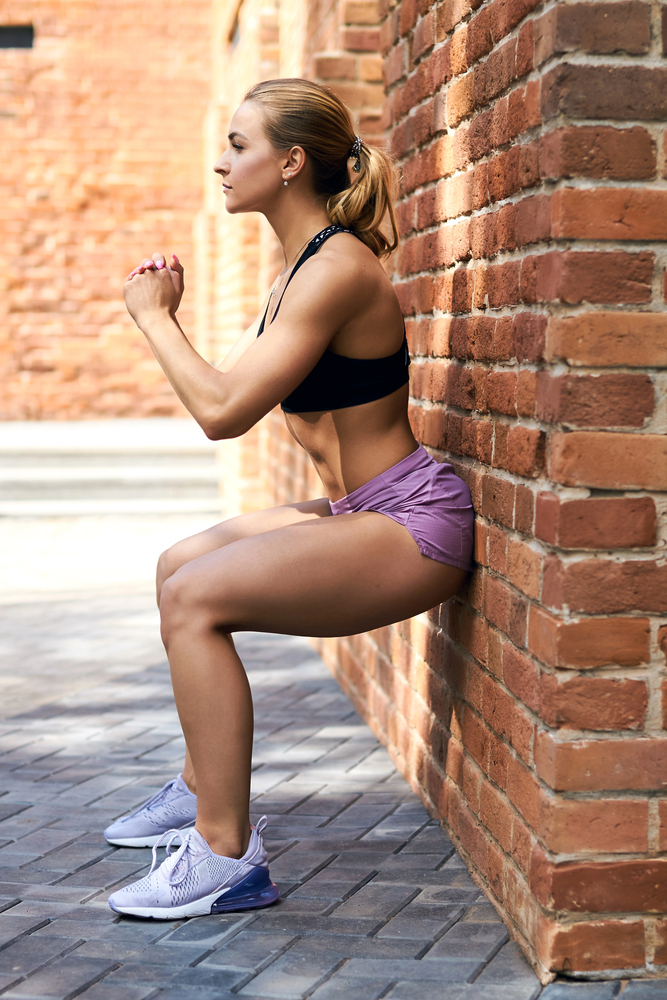
Classic barbell squats engage all four quadriceps heads while also strengthening glutes and core. Maintain proper alignment to protect the lower back and knees.
b. Leg Press
The leg press machine isolates the quadriceps, especially when using a shoulder-width stance and moderate weight for controlled movement.
c. Lunges
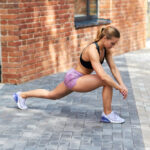
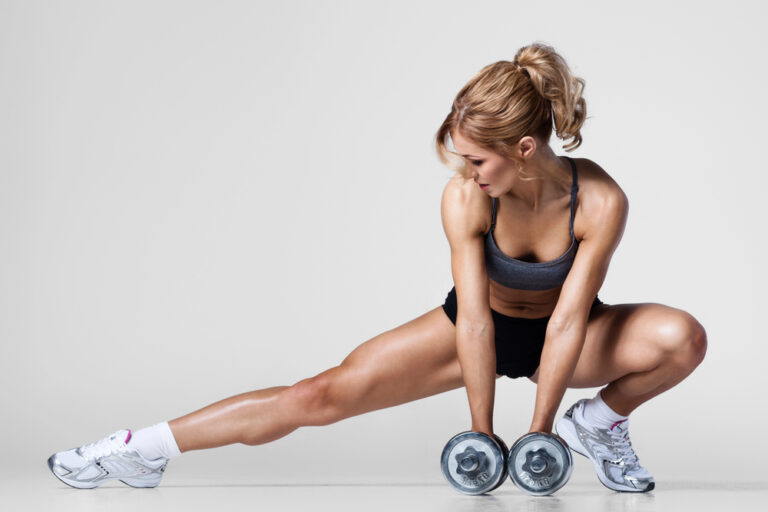
Forward and walking lunges enhance balance and unilateral strength, engaging the rectus femoris intensely.
d. Leg Extensions
Performed on a machine, this isolates the quads directly, emphasizing the vastus medialis for improved knee tracking.
e. Step-Ups
Mimic natural movement patterns and build endurance while strengthening both quads and glutes.
Incorporate 2–3 of these exercises into your weekly lower-body routine, maintaining proper form to avoid overloading the joints.
6. Common Injuries and Prevention
The Quadriceps FAQ stresses that injuries often result from overtraining, poor form, or muscular imbalance. Common quadriceps-related injuries include:
-
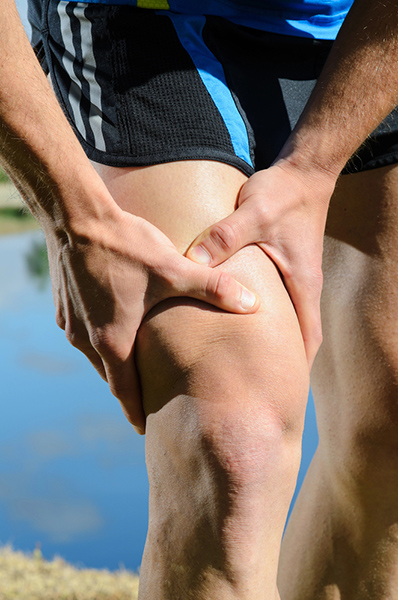
Quadriceps strain or tear: often due to sudden acceleration or deceleration.
-
Tendinitis: inflammation of the quadriceps or patellar tendon from repetitive stress.
-
Contusion: direct impact causing bruising and muscle tightness.
-
Delayed onset muscle soreness (DOMS): post-exercise stiffness caused by micro-tears.
Prevention Tips:
-
Warm up with dynamic stretches like leg swings and lunges.
-
Strengthen supporting muscles, especially hamstrings and glutes.
-
Gradually increase load and intensity.
-
Avoid locking the knees during exercises.
-
Cool down with static stretching and foam rolling.
7. Rehabilitation and Recovery
Rehabilitation, as covered in the Quadriceps FAQ, should focus on restoring flexibility, strength, and coordination. Recovery often includes eccentric exercises, isometric holds, and myofascial release techniques.
Early Recovery
Use ice therapy and gentle range-of-motion work to reduce inflammation. Avoid heavy loading initially.
Intermediate Stage
Add resistance bands, partial squats, and leg raises to regain control and mobility. Massage and ultrasound therapy may promote healing.
Advanced Phase
Progress to compound lifts like front squats and step-ups under supervision. Emphasize balance training to prevent re-injury.
According to ScienceDirect (2023), controlled eccentric loading helps regenerate muscle fibers and restore tensile strength after strain injuries【https://www.sciencedirect.com/science/article/pii/S1466853X20301373】.
8. Role in Sports and Performance
Athletes frequently turn to the Quadriceps FAQ for guidance on optimizing lower-body output. The quadriceps are critical in generating explosive movements—sprinting, jumping, tackling, and kicking. Sports such as basketball, soccer, cycling, and skiing rely heavily on this muscle group.
Performance benefits include:
-
Increased vertical leap height
-
Improved sprint acceleration
-
Enhanced agility and deceleration control
-
Better joint protection during impact
Elite training programs often integrate plyometrics, isokinetic strength testing, and neuromuscular re-education to ensure symmetrical quadriceps development. According to the National Institutes of Health (NIH), balanced quadriceps-to-hamstring ratios significantly reduce ACL injury risk【https://www.ncbi.nlm.nih.gov/pmc/articles/PMC5331998/】.
9. Expert Tips and Training Insights
This Quadriceps FAQ highlights expert insights from physical therapists and strength coaches:
-
Train full range of motion: partial reps neglect certain muscle fibers.
-
Incorporate unilateral work: single-leg exercises address imbalances.
-
Prioritize tempo: slower eccentric phases enhance hypertrophy.
-
Fuel recovery: include sufficient protein and hydration post-workout.
-
Don’t skip flexibility training: stretching maintains optimal muscle length and joint alignment.
Additionally, cross-train with swimming or cycling to maintain cardiovascular fitness while sparing overused joints.
10. Conclusion and Key Takeaways
The Quadriceps FAQ provides an in-depth roadmap to understanding and improving lower-body strength, function, and health. The quadriceps aren’t just muscles; they are the foundation of human mobility, balance, and performance.
Key Points Recap:
-
The quadriceps consist of four powerful muscles that extend the knee and stabilize the body.
-
Proper training enhances athletic capability and reduces injury risk.
-
Balanced development and recovery techniques ensure long-term joint health.
-
Strengthening these thigh muscles contributes to efficient movement patterns and better posture.
By following the guidance in this Quadriceps FAQ, readers can confidently build strength, improve performance, and protect their knees for years to come.
References
-
ScienceDirect. (2023). Eccentric exercise for muscle regeneration after strain injury. Link
-
National Institutes of Health. (2017). Quadriceps-hamstring strength ratios and ACL injury prevention. Link
About the Author