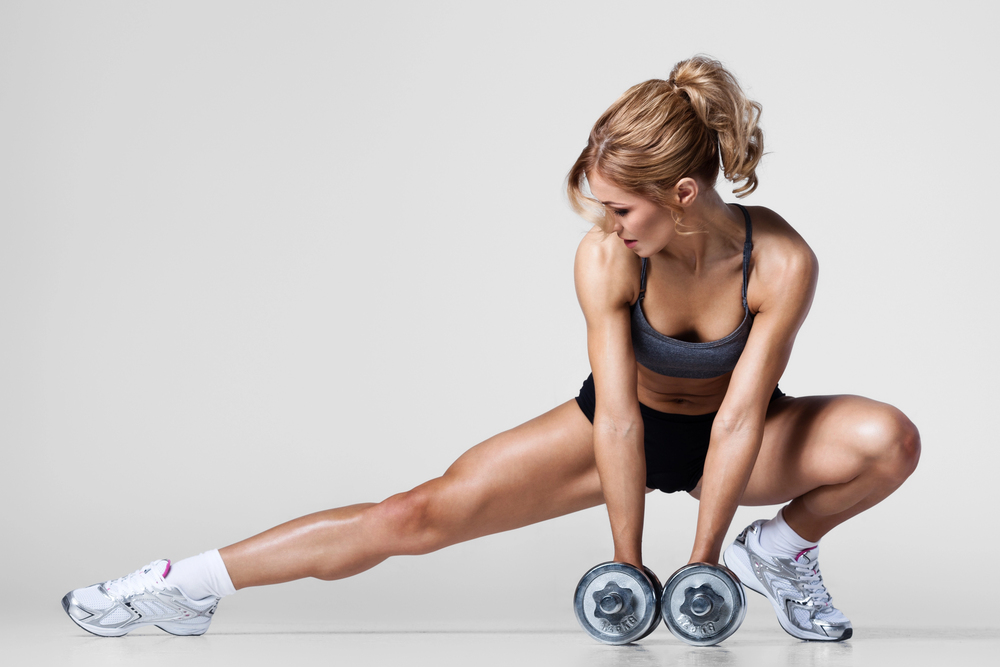
1. Understanding the Quadriceps
The quadriceps femoris is a large, four-part muscle group located at the front of the thigh. These muscles are responsible for extending the knee and stabilizing the leg when walking, standing, or running. The group attaches to the patella through a shared tendon, allowing powerful knee extension that drives most lower-body movements.
Without the quadriceps femoris, everyday actions like climbing stairs or rising from a chair would be nearly impossible. This muscle group is also vital for maintaining balance, protecting the knees, and supporting posture during prolonged standing.
In anatomical terms, the quadriceps are some of the body’s most energy-demanding muscles, consuming large amounts of oxygen and glycogen during exertion. That’s why athletes and fitness enthusiasts place great emphasis on developing them for both strength and endurance.
2. The Four Muscles of the Quadriceps
The quadriceps femoris consists of four distinct muscles, each playing a unique role in leg function:
-
Rectus Femoris – the only quad muscle that crosses both the hip and knee joints, allowing it to flex the hip and extend the knee simultaneously.
-
Vastus Lateralis – the largest of the four, positioned on the outer thigh; crucial for explosive power and lateral stability.
-
Vastus Medialis – located on the inner thigh, easily recognized by the teardrop shape near the knee. It stabilizes the patella and is critical for joint alignment.
-
Vastus Intermedius – a deep muscle underneath the rectus femoris, providing essential support for knee extension and overall thigh strength.
Each of these muscles originates from the femur (except the rectus femoris, which starts at the pelvis) and merges into a common tendon that inserts into the tibia via the patellar ligament. This unified design allows maximum efficiency during powerful leg movements.
3. Anatomy and Function
Functionally, the quadriceps femoris acts as the body’s primary knee extensor. It’s involved in actions like jumping, squatting, and kicking—any motion requiring straightening of the leg. The rectus femoris also assists in hip flexion, linking the lower and upper body.
Biomechanically, the quadriceps stabilize the patella through the quadriceps tendon, preventing lateral displacement during motion. Strong quadriceps not only improve athletic performance but also protect the knees from strain and degeneration, making them critical for long-term joint health.
During walking and running, these muscles absorb shock and control descent during heel strike, preventing excessive knee flexion. This controlled strength is one reason well-developed quads are essential for preventing injuries and improving mobility.
4. Common Exercises
Strengthening the quadriceps femoris can transform leg performance and enhance athletic ability. Core exercises include:
-
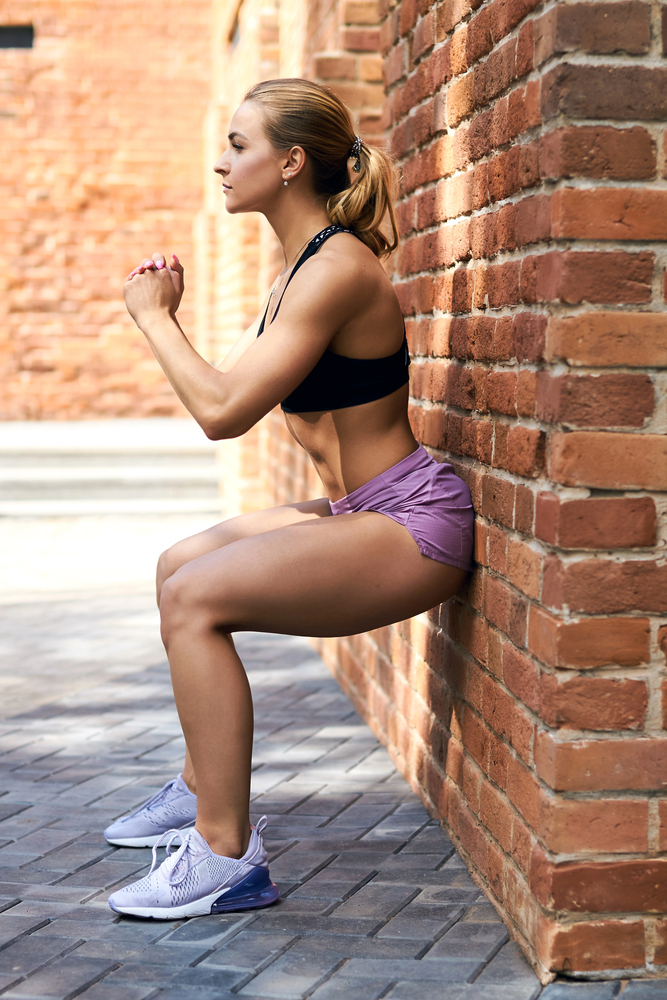
Barbell Squats: The foundation of quad training, promoting balance and full lower-body power.
-
Leg Press: Allows heavy resistance training while minimizing spinal load.
-
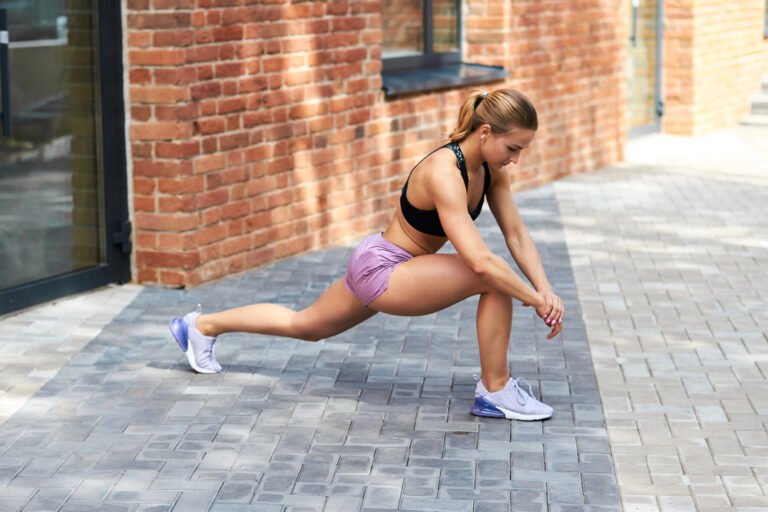
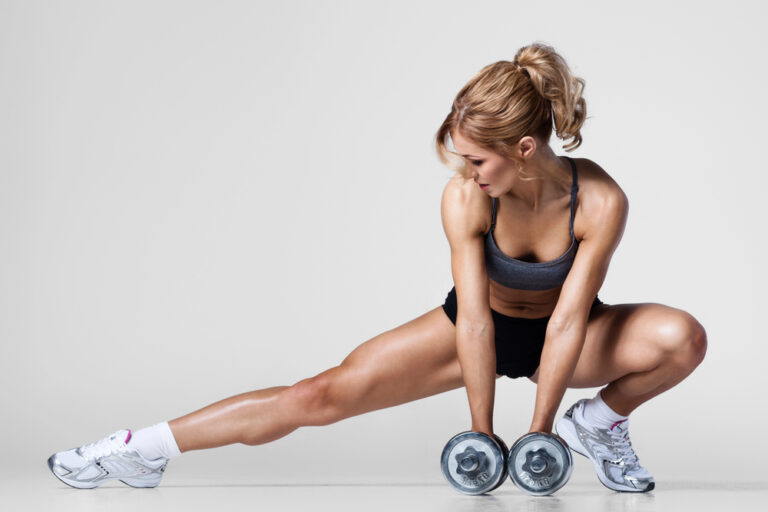
Lunges: Target unilateral strength and balance.
-
Step-Ups: Engage functional mobility and core stability.
-
Leg Extensions: Isolate the quadriceps for definition and endurance.
To maximize effectiveness, combine compound movements (like squats and lunges) with isolation work (like leg extensions). Controlled tempo and proper alignment ensure the muscles engage safely and fully. For beginners, start with bodyweight exercises and gradually increase resistance as form improves.
5. Flexibility and Mobility
Flexibility in the quadriceps femoris is crucial for smooth, pain-free movement. Tightness can pull the pelvis forward, increasing strain on the lower back and knees. Regular stretching, such as the standing quad stretch or foam rolling, maintains elasticity and reduces tension.
Mobility drills—like dynamic leg swings and hip openers—prepare the muscles for full-range movement, especially before workouts. Balanced flexibility between the quadriceps and hamstrings ensures joint integrity, reducing injury risks from muscular imbalance.
Chronic stiffness in the quads often results from prolonged sitting, high-intensity training without stretching, or poor posture. Incorporating stretching into daily routines restores alignment and supports long-term joint health.
6. Injuries and Prevention
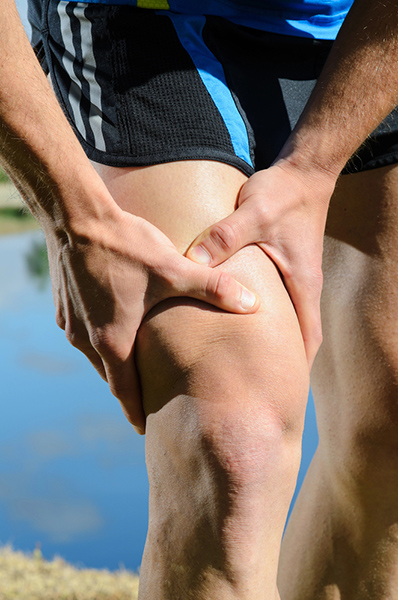
The quadriceps femoris is prone to overuse and strain, especially in athletes who perform sudden acceleration or deceleration movements. Common injuries include:
-
Quadriceps Strain: Microtears from overexertion or inadequate warm-up.
-
Tendinitis: Inflammation of the quadriceps tendon from repetitive stress.
-
Contusions: Direct trauma causing bleeding within the muscle tissue.
Prevention Strategies:
-
Warm Up Thoroughly: Begin with light cardio and dynamic stretching to increase blood flow.
-
Strengthen Supporting Muscles: Balance quadriceps with hamstring and glute training.
-
Use Proper Technique: Avoid excessive forward knee movement during squats.
-
Rest and Recover: Schedule rest days to allow for tissue repair and growth.
Neglecting minor discomfort can lead to chronic knee issues such as patellofemoral pain syndrome. Recognizing early warning signs—tightness, tenderness, or weakness—can prevent long-term damage.
7. Sports Performance
For athletes, the quadriceps femoris is a powerhouse of performance. It drives sprinting, jumping, and explosive direction changes. Sports such as basketball, soccer, skiing, and cycling rely heavily on strong quads for propulsion and control.
A balanced training program ensures both power and endurance, preventing fatigue during high-intensity play. Plyometric drills, like jump squats and bounding, train fast-twitch fibers in the quadriceps for speed and agility.
However, overdeveloped quads without proportional hamstring strength can cause imbalance, leading to potential knee injuries. Coaches and physiologists emphasize holistic leg development for optimal biomechanical performance.
8. Rehabilitation and Recovery
Rehabilitation after quadriceps injury focuses on gradual reactivation and rebuilding of strength. Early-stage therapy includes isometric contractions and low-load exercises to restore mobility without stressing healing tissue.
Once pain-free, progression to weight-bearing movements—such as mini-squats, step-ups, and stationary cycling—stimulates blood flow and coordination.
Therapists often incorporate eccentric training, where the muscle lengthens under tension, proven effective in tendon and muscle healing. Electrical stimulation and massage therapy may also support recovery by improving circulation and reducing scar tissue.
Post-rehab, ongoing maintenance with light resistance training and stretching ensures the quadriceps femoris regains full strength and flexibility.
9. Nutrition and Supplements
For optimal quadriceps femoris performance and recovery, proper nutrition is as critical as exercise.
-
Protein: Essential for rebuilding muscle fibers—include lean meats, eggs, or plant-based proteins.
-
Complex Carbohydrates: Provide energy during prolonged leg workouts.
-
Omega-3 Fatty Acids: Reduce inflammation and aid in tissue repair.
-
Creatine Monohydrate: Increases power output in resistance training.
-
Magnesium and Electrolytes: Support muscle contraction and hydration balance.
Post-workout meals that combine protein and carbohydrates within 30 minutes of exercise accelerate recovery. Hydration is equally important—dehydrated muscles fatigue faster and risk cramping, especially in endurance training.
10. Everyday Importance
The quadriceps femoris plays a central role not only in athletics but also in daily movement. Rising from a chair, walking up stairs, or maintaining balance on uneven ground all depend on these muscles.
For older adults, quad strength directly correlates with independence and fall prevention. Weak quadriceps can lead to difficulty climbing stairs, standing for long periods, or maintaining posture.
Simple habits—like daily squats, cycling, or brisk walking—preserve functional strength and coordination well into later life.
Even for those with sedentary jobs, brief mobility breaks every hour help re-engage the quadriceps and promote circulation. Healthy quads equal a healthier, more mobile lifestyle.
Conclusion
The quadriceps femoris represents the foundation of lower-body strength, balance, and performance. Its four interconnected muscles are essential for motion, endurance, and protection of the knee joint. From athletes to seniors, everyone benefits from understanding, strengthening, and caring for this vital muscle group.
By integrating proper exercise, flexibility routines, and nutrition, you’ll maintain the power, stability, and mobility your body needs—every step of the way.
About the Author