Introduction
The three quadriceps exercise types form the foundation of an effective lower-body fitness routine. Whether your goal is explosive power, functional movement, or injury prevention, the quadriceps muscles—commonly known as the “quads”—are critical for stability, posture, and performance.
Understanding how to train them using the three quadriceps exercise types—strength training, flexibility training, and balance and proprioception training—will help you achieve optimal results without overtraining or neglecting essential functions.
This article breaks down these three essential training types into seven practical methods supported by biomechanics, exercise science, and smart recovery strategies.
1. Understanding the Quadriceps
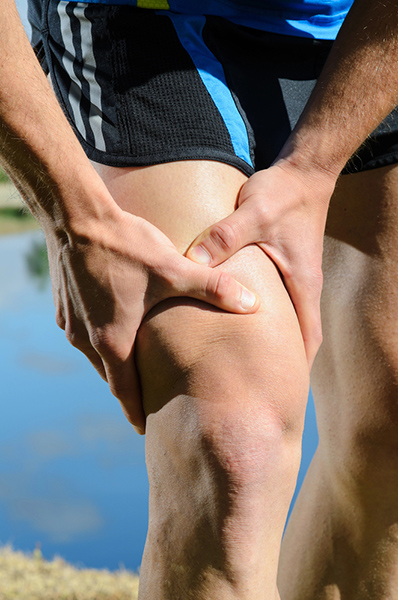
The quadriceps femoris, or “quads,” consists of four muscles on the front of the thigh:
-
Rectus Femoris – Crosses both the hip and knee joint, assisting in hip flexion and knee extension.
-
Vastus Lateralis – The outermost quad muscle, providing lateral stability.
-
Vastus Medialis (VMO) – The teardrop-shaped muscle crucial for knee alignment and patellar tracking.
-
Vastus Intermedius – Lies beneath the rectus femoris, contributing to powerful knee extension.
The quadriceps are responsible for walking, running, squatting, climbing stairs, and virtually every movement that requires leg extension. To develop balanced leg strength and prevent knee issues, it’s essential to train all components through the three quadriceps exercise types.
2. The Three Quadriceps Exercise Types
The three quadriceps exercise types include:
-
Strength Training – Builds muscle fiber density, force production, and endurance.
-
Flexibility Training – Improves range of motion and joint efficiency.
-
Balance and Proprioception Training – Enhances control, coordination, and stability.
Each type contributes uniquely to overall leg health. When combined, they create a holistic approach that supports both athletic performance and everyday movement. Whether you’re a bodybuilder, runner, or casual gym-goer, integrating all three ensures long-term progress.
3. Strength Training for Quadriceps
Among the three quadriceps exercise types, strength training is the cornerstone of power and endurance. By using resistance such as weights, bands, or your own body weight, you stimulate hypertrophy and strengthen the quadriceps for functional movement.
Top Strength Exercises
-
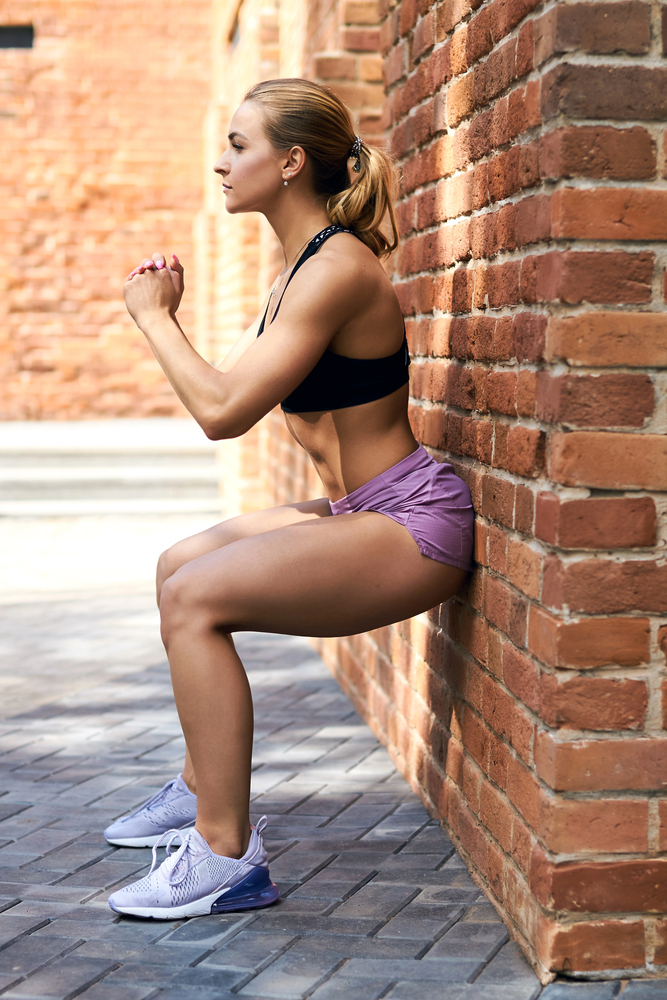
Barbell Squats – One of the most effective compound exercises for developing all four quadriceps heads. Proper form ensures even muscle engagement and reduces knee stress.
-
Leg Presses – Ideal for controlled quad development. Adjust foot placement to target different quadriceps areas.
-
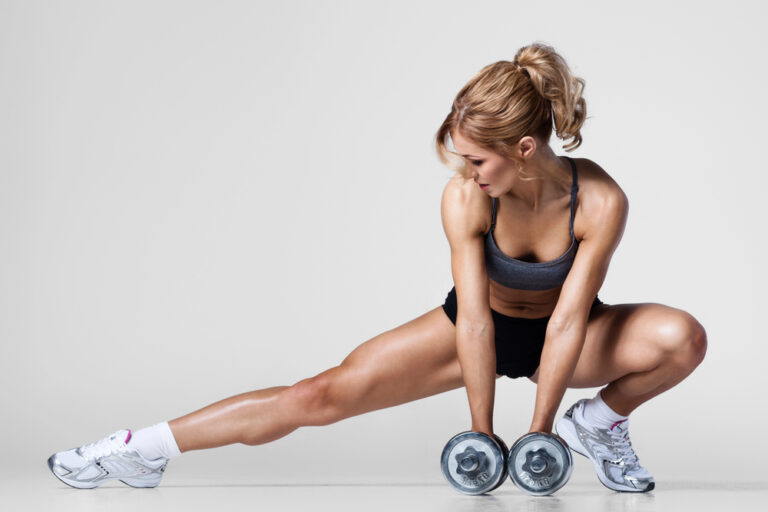
Walking Lunges – Build unilateral strength and balance, correcting muscle imbalances between legs.
-
Bulgarian Split Squats – Engage both quadriceps and stabilizers, enhancing mobility.
Benefits
-
Increases lower-body strength and endurance
-
Supports knee and hip joint stability
-
Enhances power for sports and daily activities
Risks
Overloading without proper warm-up or technique can lead to knee strain or lower-back discomfort. Always prioritize form before intensity.
4. Flexibility Training for Quadriceps
Flexibility training is often the most overlooked of the three quadriceps exercise types, yet it plays a vital role in preventing injuries and maintaining joint health. Tight quads can pull on the pelvis and affect posture, leading to lower-back and knee pain.
Effective Flexibility Exercises
-
Standing Quad Stretch – Grasp your ankle behind you and pull toward your glutes, keeping knees close together.
-
Lying Quad Stretch – Performed face down, it’s excellent for deep quad and hip flexor release.
-
Frog Pose (Yoga) – Opens the hips while lengthening the inner thighs and quadriceps.
-
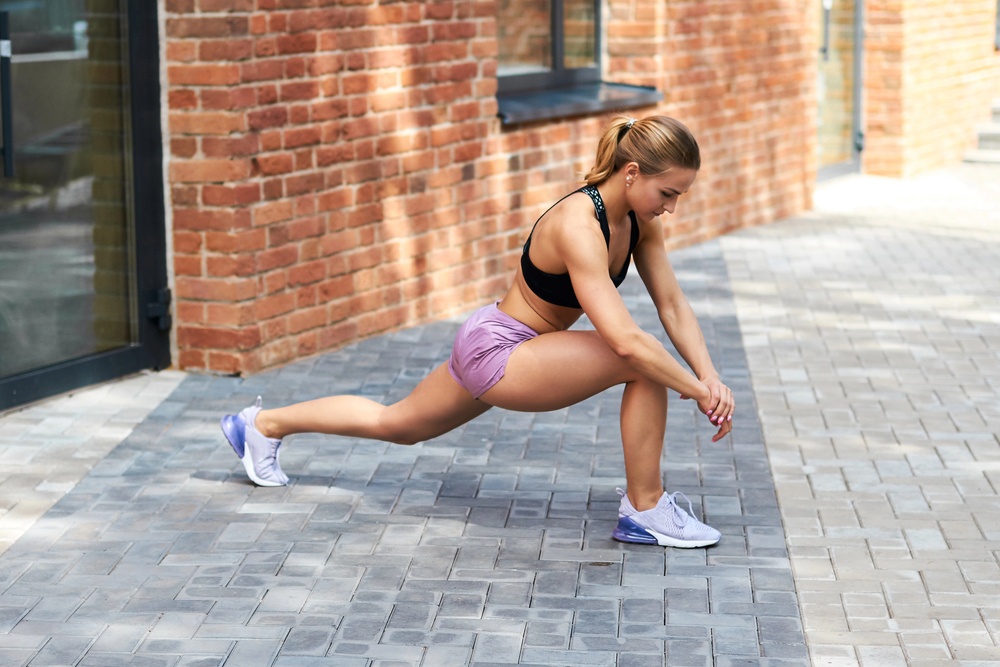
Kneeling Quad Stretch – A gentle yet deep stretch for athletes post-workout.
Benefits
-
Improves range of motion
-
Reduces post-workout soreness
-
Promotes better alignment and recovery
Risks
Avoid bouncing or forcing stretches. Overstretching can cause small muscle tears or joint instability. Aim for gradual progress.
5. Balance and Proprioception Training
Balance and proprioception—the body’s sense of spatial awareness—make up the third element of the three quadriceps exercise types. These exercises train the neuromuscular system to react quickly and maintain alignment during movement.
Best Balance and Proprioception Exercises
-
Single-Leg Stands – Strengthens stabilizer muscles and challenges the quadriceps.
-
Bosu Ball Squats – Adds instability to engage the core and improve coordination.
-
Step-Downs – Focuses on eccentric quad control, crucial for downhill walking and stair descent.
-
Balance Board Training – Refines ankle and knee joint stability for athletes.
Benefits
-
Enhances body awareness and joint control
-
Reduces risk of ankle and knee injuries
-
Improves posture and coordination
Risks
Beginners should start with stable surfaces to avoid falls. Gradually introduce instability as strength improves.
6. Combining Quadriceps Exercise Types
The synergy of the three quadriceps exercise types—strength, flexibility, and balance—produces optimal results. A well-rounded weekly plan could include:
-
2–3 Strength Sessions: Focus on squats, lunges, and presses.
-
2 Flexibility Sessions: Include static and dynamic stretches post-workout.
-
1 Balance Session: Add proprioceptive challenges like single-leg squats or Bosu drills.
This balanced integration supports muscular symmetry, flexibility, and stability while preventing overtraining and fatigue.
7. Tools and Equipment for Quadriceps Training
Maximize your training with reliable tools that complement the three quadriceps exercise types:
-
Adjustable Dumbbells – Offer progressive overload for squats and lunges.
-
Resistance Bands – Ideal for flexibility and stability drills.
-
Foam Rollers – Improve recovery by releasing tension in tight quadriceps.
-
Bosu or Stability Balls – Enhance proprioceptive training for core and leg balance.
-
Leg Extension Machines – Isolate the quadriceps effectively in strength sessions.
Each piece of equipment plays a role in maintaining variety and targeting all aspects of quad development.
8. Common Quadriceps Training Mistakes
Even with the right exercises, many people make errors that hinder progress. Avoid these common pitfalls:
-
Neglecting Flexibility Work – Tight muscles restrict range of motion and affect squat depth.
-
Overloading Resistance – More weight isn’t always better; improper form leads to joint strain.
-
Ignoring Unilateral Movements – Training both legs equally prevents strength imbalances.
-
Skipping Warm-Ups and Cool-Downs – Muscles perform best when properly primed and relaxed.
-
Poor Recovery Habits – Insufficient rest delays muscle repair and growth.
Smart training means precision, patience, and recovery—all vital components of the three quadriceps exercise types strategy.
9. Recovery and Nutrition
Training your quadriceps effectively requires more than just exercise—it also demands deliberate recovery and nutrition. Muscles adapt and grow during rest, not during exertion.
Recovery Techniques
-
Foam Rolling and Massage Guns: Help flush lactic acid buildup.
-
Contrast Showers or Ice Baths: Reduce inflammation and improve circulation.
-
Sleep: Aim for 7–8 hours per night to promote optimal muscle repair.
Nutrition Tips
-
Protein Intake: 1.6–2.2 g per kilogram of body weight daily.
-
Complex Carbohydrates: Fuel for performance and glycogen restoration.
-
Omega-3 Fatty Acids: Support joint health and recovery.
-
Hydration: Keeps muscles supple and prevents cramps.
Supporting your body through proper recovery enhances the effectiveness of the three quadriceps exercise types and ensures consistent gains.
10. Sample Weekly Quadriceps Routine
Here’s a practical 7-day schedule combining all training types:
| Day | Focus | Example Exercises |
|---|---|---|
| Monday | Strength | Barbell Squats, Leg Press, Walking Lunges |
| Tuesday | Flexibility | Standing Quad Stretch, Frog Pose |
| Wednesday | Balance | Bosu Ball Squats, Step-Downs |
| Thursday | Strength | Bulgarian Split Squats, Dumbbell Lunges |
| Friday | Flexibility | Lying Quad Stretch, Kneeling Stretch |
| Saturday | Active Recovery | Light cycling or yoga |
| Sunday | Rest | Sleep, foam rolling, hydration |
This balanced plan keeps muscles challenged while maintaining recovery and mobility.
Conclusion
The three quadriceps exercise types—strength training, flexibility training, and balance and proprioception—provide a comprehensive approach to building functional, powerful legs. Strength exercises build the foundation; flexibility work ensures joint freedom; and balance training refines coordination and control.
By integrating all three quadriceps exercise types into your weekly routine, you’ll experience enhanced stability, reduced injury risk, and improved athletic capability. Whether you train for performance or health, your quadriceps are your foundation—treat them as such.
About the Author