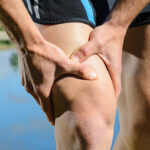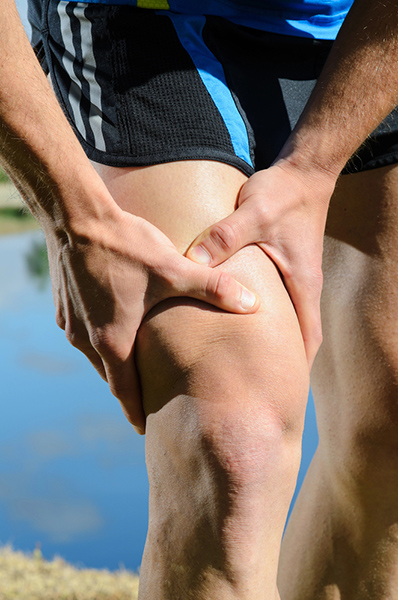
Runner feels muscle pain and grabs the leg.
1. Introduction
When athletes or active individuals report pain and dysfunction in their anterior thigh, many are referring to issues tied to the quadriceps muscle group. Understanding common quad injuries (and related problems in the quads) is vital for anyone seeking to maintain leg strength, mobility, and lower-body power. In this article we’ll explore the anatomy and function, look at risk factors, detail prevention and rehabilitation, and offer expert training insights. By doing so you’ll gain a clear, actionable understanding of how to minimise downtime, maximise performance, and treat the thigh extensors properly.
2. Anatomy and Function of Common Quad Injuries
Before diving into specific conditions, it’s worth reviewing how the muscle group works and why it is prone to injury.
2.1 Quadriceps muscle group overview
The quads (or quadriceps femoris) consist of four major muscles: the Rectus Femoris, the Vastus Lateralis, the Vastus Medialis and the Vastus Intermedius. These muscles merge into the quadriceps tendon and attach via the patella (kneecap) to the tibial tuberosity, forming the knee extensor mechanism.
2.2 Functional role
The group’s primary function is knee extension (straightening the leg), and in the case of the rectus femoris, also assists in hip flexion. These thigh muscles also contribute to stabilising the patella, transferring force during running, jumping, kicking, and general locomotion.
2.3 Why this muscle group is injury-prone
Because the extensors are heavily loaded during high-speed movements (sprints, kicks, decelerations), and because of their anatomical arrangement (especially the rectus femoris crossing hip and knee), they are susceptible to strain, contusion, tendon rupture or overuse injuries. Studies indicate muscle strain injuries in the quads are common in kicking sports and multi-directional training.
3. Main Muscles and Structure
Here we’ll explore each of the major muscles in more detail, noting how their structure influences both performance and risk of common quad injuries.
3.1 Rectus Femoris
This muscle crosses the hip and knee joints, making it uniquely vulnerable to strain during actions requiring combined hip extension and knee flexion (e.g., kicking). In elite athletes, rectus femoris injuries account for a high percentage of quad-related strains.
3.2 Vastus Lateralis
The largest of the group, located on the lateral side of the thigh. It contributes significantly to knee extension and patellar tracking (pulling the patella laterally). Imbalance or overuse here can contribute to lateral tracking issues and may feature in quad-group injuries
Found medially, this muscle helps stabilise the patella from shifting excessively outward. Weakness or fatigue here can mean the quads don’t function optimally and the knee’s extensor mechanism becomes vulnerable.
3.4 Vastus Intermedius
Underneath the rectus femoris, it’s less visible but still integral to knee extension. Like the other thigh extensors, it must coordinate with the others for efficient movement and to avoid overload.
3.5 Tendon and extensor mechanism
The quadriceps tendon, patella, and patellar tendon form a chain that transmits force from muscle contraction into knee extension. Rupture or damage to the tendon dramatically impairs leg extension.
4. Importance in Movement and Strength
The role of the thigh extensors (quads) in everyday mobility and high-level performance is foundational.
4.1 Everyday movement
Walking, rising from a chair, climbing stairs — all rely on knee extension and stability. If the extensors are compromised (due to one of the common quad injuries), even daily tasks become harder and the risk of falls or joint compensation rises.
4.2 Athletic performance and lower-body power
In sports, these muscles drive sprint speed, jumping height, deceleration and directional change. Strong quads help produce leg strength and lower-body power. Conversely, weakness or injury reduces output and can alter biomechanics, causing compensatory patterns in hamstrings, glutes or even hips and lower back.
4.3 Injury cascade and compensation
If one part of the extensors is injured, adjacent muscles must compensate. That may shift load to the hamstrings, abductors/adductors, or even the spine — elevating risk for other injuries. Understanding and protecting the quads therefore prevents broader musculoskeletal problems.
5. Best Exercises for Common Quad Injuries
Targeted training can help build resilience, enhance function, and reduce future risk of common quad injuries.
5.1 Strengthening exercises
-
Squats and Goblet Squats — foundational for quad strength, engage vastii and rectus femoris along with glutes.
-
Leg Press — isolates knees and quads, helpful especially during rehabilitation when balance is compromised.
-
Split Squats / Bulgarian Squats — unilateral focus helps correct imbalances, especially if one leg has been injured.
-
Nordic Eccentric Lowering (reverse Nordic) — emphasizes eccentric control of the quads, which is critical for prevention of strains.
5.2 Functional and sport-specific drills
-
Lunges with rotation or overhead reach — engage core, hip flexors, and quads in dynamic movement.
-
Eccentric step-downs — improve control of the knee/quad complex during deceleration phases.
-
Kicking and sprint-drills (for athletes) — properly supervised to load the rectus femoris safely and progressively.
5.3 Flexibility and mobility
-
Foam rolling or self-myofascial release on the anterior thigh.
-
Hip flexor stretches (since tight hip flexors may increase rectus femoris load).
-
Patellar mobility and tracking soft-tissue work (since quads influence patellar alignment).
5.4 Programming and progression tips
Start with moderate loads, focus on quality of movement (knee alignment, hip hinge, full extension). Incrementally increase volume and intensity. For someone recovering from a quad-injury, limit eccentric deceleration and high loads until the musculotendinous system is healed. Ensure equal strength between limbs.
6. Common Injuries and Prevention
This section focuses on the specific injuries under the umbrella of common quad injuries, plus how to prevent them.
6.1 Strains and muscle tears
Strains within the muscle belly (often rectus femoris) are frequent. In athlete surveillance studies, non-contact mechanisms (63.2 %) and overuse (21.9 %) were major contributors. In one Australian football study, 91.3 % of quad muscle strain injuries involved the rectus femoris.
6.2 Contusions and direct trauma
Especially in contact sports, a blow to the anterior thigh can cause muscle contusion (bruising) or what is clinically called “charley horse”. These can lead to bleeding within the muscle, scarring, and risk future injury.
6.3 Tendon injuries and ruptures
Less common but more serious are tendon disruptions – e.g., the quadriceps tendon rupture, where the tendon connecting the quads to the patella tears. Incidence is ~1.37/100,000, more common in middle-aged men with comorbidities.
6.4 Overuse and tracking problems
Chronic overloading without adequate recovery can lead to tendinopathy of the quadriceps tendon, patellar tracking issues, or general fatigue in the extensors — all part of the umbrella of common quad injuries.
6.5 Prevention strategies
-
Ensure proper warm-up, especially dynamic movements that engage quads eccentrically.
-
Focus on strength symmetry between limbs, especially if one side has injured previously.
-
Include eccentric loading and deceleration drills — since many injuries happen during those phases.
-
Monitor fatigue and volume — high loads without recovery increase risk significantly.
-
Address flexibility and mobility (hip flexors, glutes, hamstrings) so the quads aren’t overloaded due to compensations.
-
For kicking or sprint sports, gradually increase exposure, and inspect technique especially when returning from off-season.
7. Rehabilitation and Recovery
When a quad-related injury does occur, a structured rehab plan ensures safe return and helps prevent recurrence of common quad injuries.
7.1 Initial phase (acute)
-
RICE principle (rest, ice, compression, elevation) for acute strains or contusions.
-
Avoid full load on knee extension if tendon involvement suspected; refer for imaging.
-
Gentle isometric contractions of the extensors may maintain activation without overstressing.
7.2 Restoration of movement and strength
-
Gradually reintroduce concentric then eccentric quadriceps loading, starting with light resistance.
-
Control knee flexion/extension under supervision; monitor any pain or swelling.
-
Address compensatory patterns (hip/ankle) so as not to overload the quads indirectly.
7.3 Advanced phase (sport- or activity-specific)
-
Progress to unilateral exercises (split squats, step-downs) and eccentric-heavy drills.
-
Include jumping/landing mechanics, sprint drills, kicking (if relevant) with gradually increased intensity.
-
Monitor the thigh muscle, tendon response, patellar tracking, and knee mechanics.
7.4 Return-to-play and prevention of recurrence
Return should be guided by: full, pain-free range of motion; strength at least 90-95 % of the uninvolved side; controlled landing mechanics; and absence of swelling. A history of previous quad strain is a strong predictor of future damage
8. Role in Sports and Performance
In competitive settings, the relevance of the thigh extensors cannot be overstated — and so neither can the impact of common quad injuries.
8.1 High-speed and kicking sports
In sports like soccer, Australian football, rugby, kicking and rapid direction changes load the quads heavily. In one study of the Australian Football League, injuries were most frequent in the dominant kicking leg and when the rectus femoris was involved.
8.2 Jumping and sprinting movements
Events that require vertical jump, explosive take-off, or fast transitions demand strong, healthy quads. An injured muscle group reduces explosiveness, stride length, and deceleration capacity — directly impairing performance.
8.3 Impact of injury on career and function
Severe injuries such as quadriceps tendon ruptures can be career-threatening for elite athletes. The literature notes reinjury rates as high as 67% in severe proximal tears, emphasising the need for optimal management.
8.4 Training implications
Coaches and athletic trainers must integrate quad-specific strength, eccentric control, neuromuscular training, and recovery strategies into programming. Simultaneously, monitoring for early signs of thigh extensor fatigue or overload is essential.
9. Expert Tips and Training Insights
Here are actionable expert tips to protect the quads, optimise performance and reduce the incidence of common quad injuries.
-
Balance strength across the chain – Don’t isolate quads; also train glutes, hamstrings, calves, hip flexors and core. Balanced musculature prevents overloading the thigh extensors.
-
Eccentric emphasised training – Add eccentric-heavy drills early in your cycle (e.g., slow-lowering lunges, reverseNordic). These train the quads to tolerate load and deceleration.
-
Monitor volume and jump/kick exposure – Sudden increases in kicking or sprint volume elevate risk of thigh extensor strain; progress gradually.
-
Use neuromuscular and plyometric drills carefully – High-intensity plyos (especially with fatigue) increase quad loading; ensure quality technique and recovery.
-
Include knee tracking and patellar care – Since the quads influence patella movement, dysfunction here (e.g., weak vastus medialis) may increase quads stress.
-
Recovery and load management – Adequate rest, nutrition and soft-tissue work matter. Contusions can heal slower if not managed.
-
Pre-season prep matters – Studies show higher rates of extensor injuries in preseason; ramp up conditioning, kicking/sprinting drills, and eccentric work ahead of competition.
-
Address previous injuries – A prior quad injury is a strong predictor of recurrence; rehab must aim not just to return, but to achieve full functional readiness. ResearchGate+1
10. Conclusion and Key Takeaways
In summary: common quad injuries pose real risks to daily movement, athletic performance and long-term musculoskeletal health. The quadriceps muscle group is central to knee extension, leg strength and lower-body power — and thus cannot be neglected.
Key points:
-
The quad group (rectus femoris, vastus lateralis/medialis/intermedius) forms the core of the knee-extending mechanism.
-
Injuries range from strains and contusions to tendon ruptures, with distinctive mechanisms and risk profiles.
-
Prevention hinges on strength, eccentric control, balanced training, proper load increments and recovery.
-
In sports scenarios, the quads are heavily involved in kicking, sprinting and jumping — making tailored conditioning essential.
-
If injury occurs, rehabilitation must be structured: initial protection, progressive loading, functional and sport-specific training, return-to-play criteria and prevention of recurrence.
-
Expert insights emphasise holistic chain training, neuromuscular emphasis, monitoring prior injuries and load management.
If you remember nothing else: strong, well-conditioned thigh extensors help you move, jump and kick with power — and dramatically reduce your risk of the next quad-related setback. Prioritise them. Train them intelligently. Protect them.
By applying these principles you’ll be better equipped to avoid or recover from one of the most overlooked yet impactful injury categories.
About the Author