Introduction
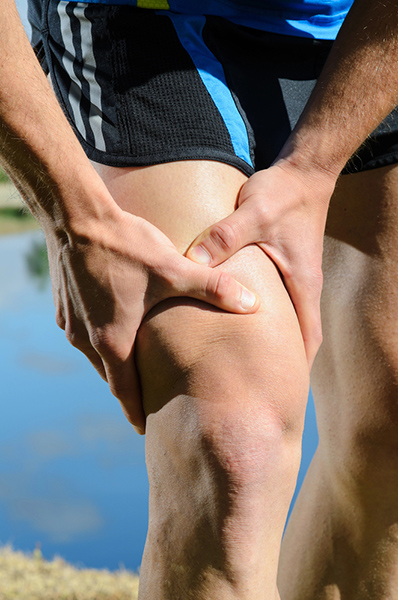
Understanding quadriceps injuries is essential for anyone who values movement, performance, or pain-free living. The quadriceps—the four powerful muscles on the front of your thigh—play a vital role in walking, running, jumping, and stabilizing the knee joint. Yet, they are often neglected until injury strikes. Common quadriceps injuries range from mild strains to severe tears, but full recovery requires more than standard rest and ice. It calls for awareness of body mechanics, mental resilience, and sometimes, unconventional healing strategies.
In this guide, we explore seven uncommon insights into understanding quadriceps injuries, blending proven medical science with lesser-known yet effective recovery methods. Whether you’re an athlete, a trainer, or someone on a fitness journey, these principles can redefine how you approach prevention and healing.
1. Understanding Quadriceps Injuries: More Than a Muscle Strain
Most people think a quadriceps injury is just a muscle pull. In truth, it’s often a combination of muscle fiber microtears, fascial restriction, and neurological inhibition. The quadriceps group—rectus femoris, vastus lateralis, vastus medialis, and vastus intermedius—works as a synchronized unit. When one muscle underperforms, another compensates, leading to imbalance and eventual injury.
Common causes include:
-
Overuse without adequate recovery
-
Sudden acceleration or deceleration
-
Poor warm-up or flexibility
-
Weakness in supporting muscles like the hamstrings or glutes
Unconventional insight:
Recent fascia research suggests that tight connective tissue layers between quadriceps muscles can reduce efficiency and create tension. Tools like myofascial release or cupping therapy help restore elasticity and nerve communication.
2. The Hidden Role of the Rectus Femoris in Chronic Pain
Among the quadriceps, the rectus femoris is unique—it crosses both the hip and knee joints. This dual role makes it prone to injury, especially in sports involving kicking or sprinting. A strained rectus femoris can mimic hip flexor or knee pain, often confusing diagnosis.
Traditional approach: Rest, ice, compression, elevation (RICE).
Unconventional insight:
Try nerve gliding exercises and dynamic stretching instead of passive rest. Gentle activation maintains neural pathways and prevents atrophy. Also, incorporating eccentric loading (lengthening under tension) accelerates tissue remodeling and strength.
3. Understanding Quadriceps Injuries Through Movement Patterns
Your quadriceps don’t exist in isolation—they’re part of a kinetic chain that includes your hips, core, and ankles. Poor movement patterns, like collapsing knees during squats or overstriding when running, overload the quadriceps.
Conventional advice: Strengthen the quads.
Unconventional insight:
Strengthen the posterior chain—hamstrings, glutes, and calves—to balance the load. A strong posterior chain relieves quadriceps strain and improves knee tracking.
Exercises to consider:
-
Glute bridges
-
Romanian deadlifts
-
Step-downs with core engagement
4. The Emotional Connection: Mind-Muscle Recovery
A less discussed but powerful aspect of understanding quadriceps injuries lies in the mind-body connection. Chronic tightness or re-injury patterns may reflect stress, fear of movement, or subconscious guarding. Studies show that emotional states affect muscle tone and recovery speed.
Unconventional insight:
Incorporate mindfulness-based movement, such as Pilates, tai chi, or slow squats with controlled breathing. Visualization techniques—imagining muscle fibers healing and lengthening—can enhance neuromuscular control and pain reduction.
5. Nutrition: The Missing Link in Understanding Quadriceps Injuries
Muscle repair requires more than protein shakes. Tissue healing depends on amino acids, anti-inflammatory fats, and micronutrients. Deficiencies in magnesium, vitamin C, or collagen precursors can delay recovery.
Unconventional insight:
Add these nutritional strategies:
-
Collagen + Vitamin C combo: Supports tendon and fascia healing.
-
Omega-3 fatty acids: Reduce inflammation naturally.
-
Curcumin and bromelain: Herbal anti-inflammatories that improve circulation.
-
Gelatin-based supplements: Encourage connective tissue repair.
Hydration tip: Electrolyte-rich fluids like coconut water maintain muscle elasticity and prevent cramps during recovery.

6. Understanding Quadriceps Injuries Through Movement Variability
Rehabilitation often focuses on linear exercises—leg extensions, squats, lunges—but real-world movement is multi-directional. Failing to train lateral and rotational stability leaves the quadriceps vulnerable once you return to dynamic activity.
Unconventional insight:
Adopt 3D movement training.
-
Practice diagonal lunges and side shuffles.
-
Use balance boards or single-leg tasks to challenge proprioception.
-
Incorporate rotational strength with medicine ball twists or resistance bands.
This approach mimics sports and daily movements, building adaptive strength and coordination that prevent re-injury.
7. Recovery Isn’t the End—It’s Reintegration
Understanding quadriceps injuries doesn’t stop at recovery. The final phase—reintegration—ensures your body and mind trust the movement again. Many people stop rehab once pain disappears, but underlying deficits may persist.
Unconventional insight:
-
Neuromuscular retraining: Incorporate drills that connect brain-to-muscle pathways.
-
Tempo training: Slowing down movements increases control and feedback.
-
Barefoot balance drills: Restore natural proprioception and strengthen stabilizers.
Return to performance should feel symmetrical, powerful, and confident—not cautious or uneven.
Quadriceps Injury Prevention Checklist
To prevent future injuries, integrate these seven habits into your fitness routine:
-
Warm up dynamically: Use leg swings and gentle lunges.
-
Hydrate properly: Maintain fluid and electrolyte balance.
-
Include mobility work: Target hips and knees daily.
-
Train opposites: Balance quads with glutes and hamstrings.
-
Recover mindfully: Use massage, foam rolling, or meditation.
-
Feed your tissues: Support recovery through nutrition.
-
Vary your movement: Don’t repeat identical workouts.
Prevention starts with awareness. The more you understand the quadriceps’ structure and behavior, the easier it becomes to protect them.
Recommended Products for Quadriceps Health
| Product | Use | Pros | Cons |
|---|---|---|---|
| TheraGun Mini | Deep-tissue massage | Portable, effective | Expensive |
| TriggerPoint Foam Roller | Myofascial release | Improves flexibility | Can be painful initially |
| KT Tape Pro | Muscle support | Aids recovery during movement | May irritate skin |
| Collagen Peptides + Vitamin C | Tissue repair | Easy to mix | Must be consistent |
| Resistance Bands Set | Strengthening exercises | Versatile | Limited for heavy strength work |
Scientific Perspective
Research on quadriceps recovery continues to evolve. A 2023 study in the Journal of Orthopaedic & Sports Physical Therapy found that eccentric strengthening significantly reduces re-injury risk by improving tendon resilience. Meanwhile, fascia-focused therapies like instrument-assisted soft tissue mobilization (IASTM) showed measurable gains in range of motion and pain reduction.
In parallel, neuroscience research underscores that motor imagery (mentally rehearsing movement) enhances muscle recruitment even before physical training begins—bridging mind and muscle recovery.
Final Thoughts
Understanding quadriceps injuries requires looking beyond the obvious. Traditional rehab often focuses solely on the physical aspect—strength and flexibility—but the true solution integrates movement patterns, nutrition, psychology, and fascia health. The quadriceps are not just muscles; they’re part of a communication system involving your brain, nerves, and emotions.
By embracing both science and intuition, you can turn injury into insight. The seven approaches shared here invite you to not only heal but to evolve—stronger, more aware, and more balanced than before.
About the Author